

The Berlaymont as a Fortress – Europe’s Return to the Middle Ages
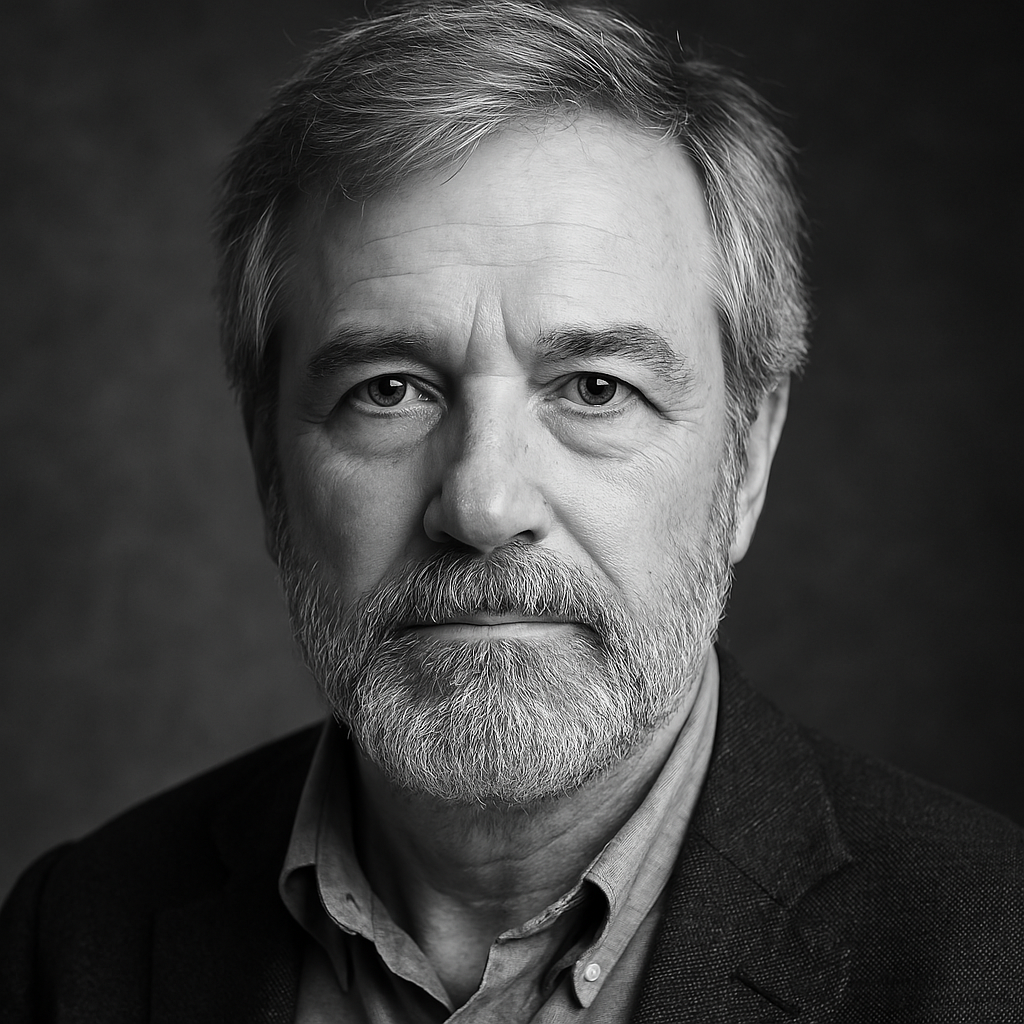
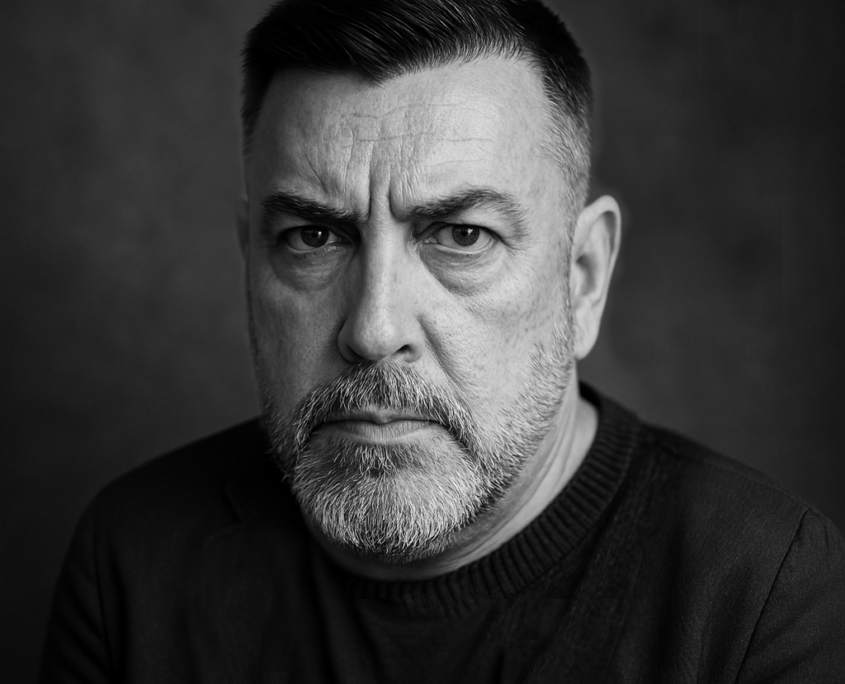
Étienne Valbreton
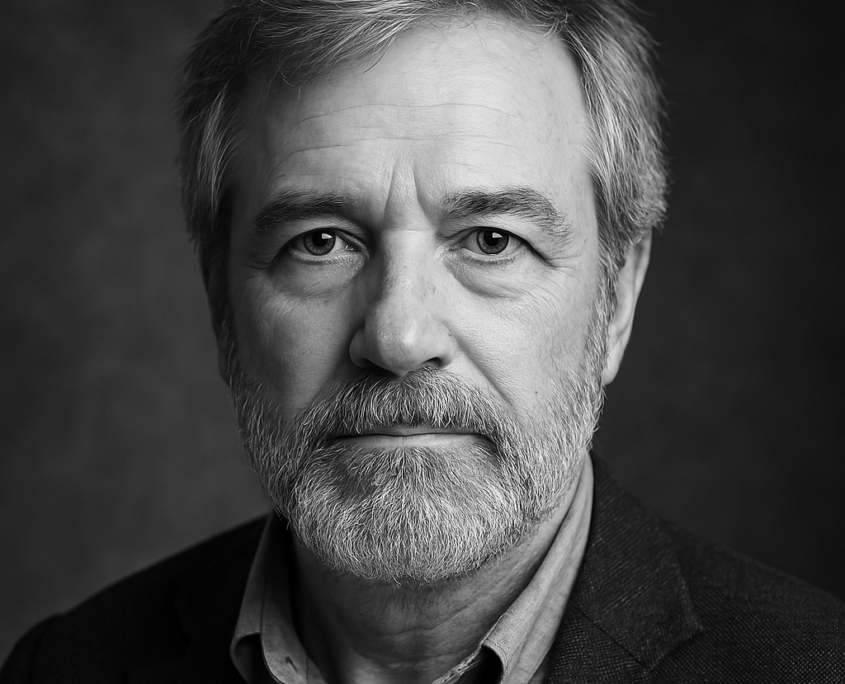
Pierre Marchand
Geopolitical correspondent, historian of the unspoken.
Pierre Marchand writes for La Dernière Cartouche about imperial continuities, tectonic shifts, and the true movements behind the flags. He is not a commentator but a chronicler – not of events, but of connections. Shaped by the school of Scholl-Latour, he thinks on a continental scale, writes with density, and never judges faster than he researches.
Marchand spent many years as a foreign correspondent in Algeria, Yugoslavia, the Sahel, and most recently in eastern Turkey. He does not believe in conspiracies, but in interests – and in the memory of geography.
Section: Chambre Noire
Contact: pierre@la-derniere-cartouche.com
The Berlaymont as a Fortress – Europe’s Return to the Middle Ages
An essay by Pierre Marchand
“To understand our modern identity, there are essential elements to be found in the Middle Ages. They allow us to prepare for what is the continuation of history, which no historian can know: the future.”
– Jacques Le Goff
In recent months Brussels has resembled less a capital of the Enlightenment than an archipelago of fortified power islands. Since Ursula von der Leyen moved into the thirteenth floor of the Berlaymont in 2019, the heart of the European Union has turned into a kind of administrative castle. The president wishes to govern the Union, but not to live with it. Behind bulletproof glass and layers of protocol, shielded from both the press and her own commissioners, she presides over a government of silence – a system built on control, mistrust, and hierarchy. Jean Quatremer once summed it up perfectly: “From the Juncker Commission to the Bunker Commission.”
A report by Euractiv details the latest twist in this withdrawal. Even commissioners and directors general now find access to their president virtually impossible. There is talk of “purple elevators,” relics more befitting a Byzantine palace than a modern administration. Von der Leyen had her floor converted, at her own expense, into a private penthouse – which does not stop her from collecting an additional “housing allowance” each month, amounting over her term to roughly half a million euros. This is no longer a scandal; it has become routine.
In Brussels, power is no longer expressed through speech but through access. The real control center lies not with the commissioners but within the offices of their chiefs of staff. At the top stands Björn Seibert – a man few have heard of, yet whose signature quietly reshapes Europe’s political landscape. He is the major domo of our time: loyal, invisible, irreplaceable. As in the days of the Merovingians, the visible rulers have become façades, while real decisions are made in the shadow administration.
This structure – half courtly, half technocratic – breeds its own feuds. Between Ursula von der Leyen and the EU’s High Representative Kaja Kallas smolders a rivalry reminiscent of late Carolingian princesses. Kallas is said to be considering bringing back Martin Selmayr, Jean-Claude Juncker’s former chief of staff, for a newly created director-general position – a move of exquisite provocation. Selmayr, once the all-powerful “Monster of the Berlaymont,” was exiled to the Vatican after von der Leyen’s arrival – a punishment that, in Brussels, amounts to a public tonsure. Now the deposed major domo returns, unsettling the fragile peace of the fortress.
Meanwhile, the current duo – von der Leyen and Seibert – retreat ever further behind the glass walls of power. Political discourse shrinks into administration; administration becomes liturgy. As in the early Middle Ages, when castles served as both homes and bastions, the Berlaymont Tower is no longer a place of communication but of isolation. Abdication, once a royal art, has vanished from Brussels’ vocabulary.
And yet the self-celebration continues. The Commission has issued a tender that would make even a Roman emperor blush: an annual gala for 1,500 guests, with a budget of half a million euros. An evening of champagne, canapés, music, and medals – civil servants decorating civil servants for their loyalty to a system long detached from the public. While member states tighten their belts, Brussels polishes its silver. The pomp recalls those late-antique banquets described by historian Johannes Fried as “the display of gilded weapons, opulent tables, and coercive terror.”
The Frankish Empire of the eighth century did not collapse under foreign invasion but through self-forgetfulness. It lost, as Fried put it, “the sharpness of methodically controlled thought.” Today the same movement repeats itself in another guise: in the language of management, in the rituals of technocracy, in the intellectual impoverishment of an apparatus that mistakes ceremony for politics.
The last Merovingian, Childeric III, was tonsured and sent to a monastery. Von der Leyen will find no cloister, but perhaps a consultancy. The parallel remains: those who treat power as property ultimately lose it to their servants. The Berlaymont, like the old Carolingian fortresses, no longer stands for Europe, but for the attempt to halt history itself.
When history repeats itself, it is not as farce – but as an administrative directive.




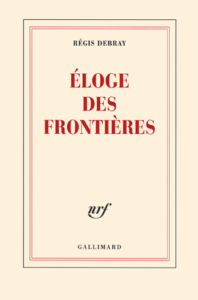
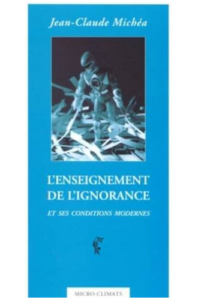
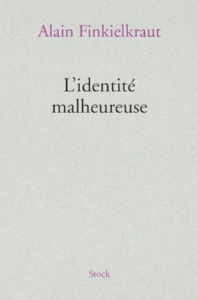
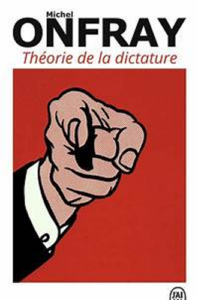









 © Bildrechte: La Dernière Cartouche
Leave a Reply
Want to join the discussion?Feel free to contribute!
Bei La Dernière Cartouche dürfen Sie leidenschaftlich diskutieren – aber bitte mit Stil. Keine Beleidigungen, kein Off-Topic, kein Spam. Persönliche Angriffe gegen Autor:innen führen zum Ausschluss.
🇫🇷 Règles de commentaire :
Sur La Dernière Cartouche, vous pouvez débattre avec passion – mais toujours avec style. Pas d’insultes, pas de hors-sujet, pas de spam. Les attaques personnelles mènent à l’exclusion.